nov/13/2025
Eco-Friendly Lawn Alternatives: Smart Ways to Green Your Space

Keeping your outdoor space lush and beautiful no longer means wasting water or using harsh chemicals. More homeowners and property managers are turning to Eco-Friendly awn Alternatives that combine sustainability, low maintenance, and lasting visual appeal.
Whether you want a modern look, a drought-resistant garden, or simply to reduce your environmental footprint, there are plenty of sustainable ways to green your space. By replacing traditional grass with eco-friendly options, you can enjoy a vibrant, functional yard while saving time, money, and natural resources.
Why Choose Eco-Friendly Lawn Alternatives
Choosing sustainable lawn alternatives is not just a style choice, it’s a sensible method for looking after the Earth while keeping your surroundings fresh and enjoyable. Regular grassy areas demand lots of watering irrigation, cutting often, and garden chemicals, which add to lost water and unclean stuff. On the other hand, Eco-friendly lawns are made to lessen the effect on the earth while giving useful advantages. They minimize water usage, cut down maintenance time, and eliminate the need for pesticides or gas-powered equipment.
Sustainable landscapes also help the small living things around. Native plants attract pollinators, little rocks or grass on the ground make the dirt better, and artificial turf ensures a clean, evergreen appearance always. The result is a space that looks great and aligns with a modern, conscious lifestyle.

Popular Sustainable Lawn Alternatives

Artificial Turf
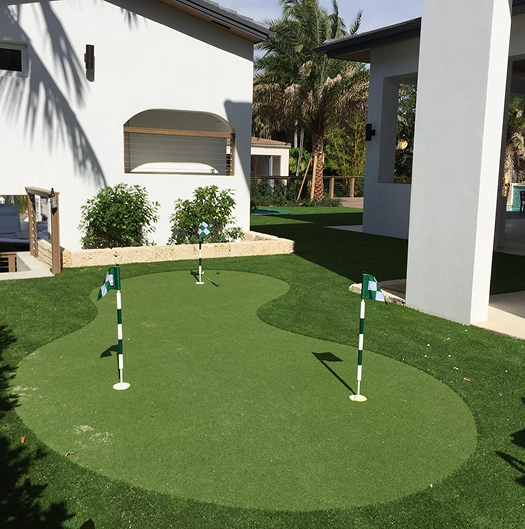
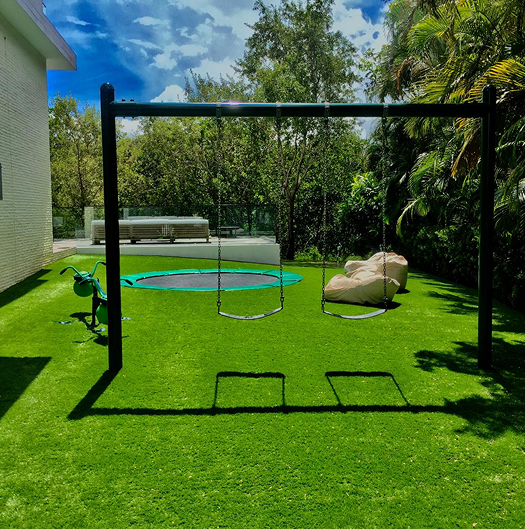
One of the most popular eco-friendly lawn alternatives is artificial turf. It provides a consistently green look without watering, mowing, or fertilizing. Synthetic grass is highly durable and ideal for dry or high-traffic areas where natural grass struggles to grow.
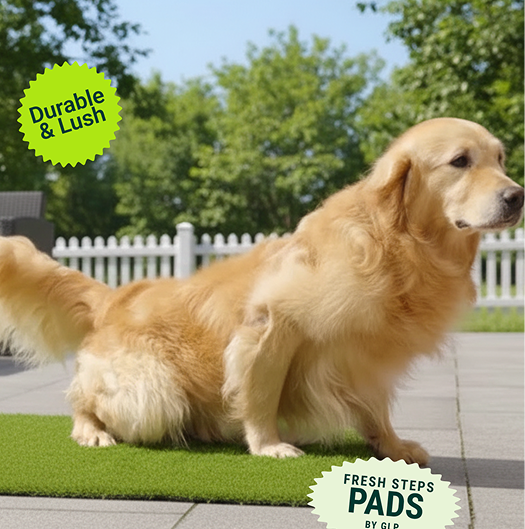
Modern turf options are more realistic than ever and often made with recyclable or non-toxic materials. They’re pet-friendly, safe for children, and help conserve thousands of gallons of water annually. Artificial turf is an especially smart solution for regions with water restrictions or arid climates.

Native or Drought-Resistant Plants
Native plants and drought-tolerant species are another great option for sustainable landscaping. Because they’re naturally adapted to local conditions, they require less water, fewer nutrients, and minimal care.
Incorporating these plants into your garden not only supports biodiversity but also creates an inviting space for birds, bees, and butterflies. Options like lavender, agave, sedum, and ornamental grasses offer both beauty and resilience, thriving where traditional lawns often fail.

Ground Covers and Eco Gravel
Ground covers such as creeping thyme, clover, or moss can replace grass while maintaining a soft, natural feel underfoot. These living carpets are self-sustaining, suppress weeds, and remain green through changing seasons. For a more modern or minimalist aesthetic, eco gravel and permeable surfaces allow for excellent drainage and reduce heat reflection. Combining these with potted plants or recycled stepping stones gives your outdoor space a distinctive, sustainable touch.

Artificial Turf as an Eco-Friendly Option
When considering Eco-Friendly Lawn Alternatives, artificial turf jumps up as both good for the planet and useful. Many modern products are crafted from recyclable materials and require no harmful fertilizers or pesticides. By eliminating mowing and watering, synthetic grass significantly reduces carbon emissions and water consumption.
Artificial turf is also ideal for multifunctional spaces, like spots for kids to run, fields for games, and pet zones, where durability and cleanliness are priorities. Even though some folks critics about its earth footprint, the way things are built now lets turf be greener than before, with better ways to reuse it and non-toxic infills.
Beyond its environmental benefits, turf offers long-term savings. turf saves money over time. Because taking care of it is easy, less stuff gets used up for upkeep, and the ground stays happy through all kinds of weather. This mix of being handy and good for nature makes it one of the most helpful earth-friendly swaps for today's outdoor spots.

Natural Vs. Artificial Turf Solutions
When you are deciding between natural and synthetic options, it is useful to check how they act with nature and how they work. Grass that grows, even though it looks nice, needs lots of water and tending, often relying on fertilizers and machinery that press on local ecosystems.
On the other hand, synthetic lawns maintain their appearance year-round without irrigation or mowing. They reduce water consumption dramatically and stay clean with minimal care. Yet, places with growing things give homes to natural creatures and can keep the dirt damp correctly.
Aspect
Natural grass
Artificial Turf
💧Water Usage
💧Water Usage
Requires regular watering
No watering needed
🧹Maintenance
🧹Maintenance
Frequent mowing, fertilizing
Occasional brushing and rinsing
⏳Lifespan
⏳Lifespan
2–5 years depending on care
10–20 years with proper maintenance
🌎Eco Impact
🌎Eco Impact
Consumes resources (water, fuel)
Saves water, but made from synthetics
🌿Allergen Control
🌿Allergen Control
Can attract pollen
Softer texture, cooler surface
🐾Pet Friendly
🐾Pet Friendly
Natural but can get muddy
Clean, odor-controlled options available
The best way to help the earth often mixes the two kinds. Perhaps you put down made grass where people walk a lot while putting plants that do not need much water or beds of local blossoms around it. This mix of ways makes a balanced, eco-friendly environment that saves resources without sacrificing aesthetics.

Design Tips for a Sustainable Outdoor Space
Creating a sustainable yard involves more than choosing the right materials—it’s about designing a cohesive, functional, and environmentally responsible layout.
Combine Greenery and Hardscape
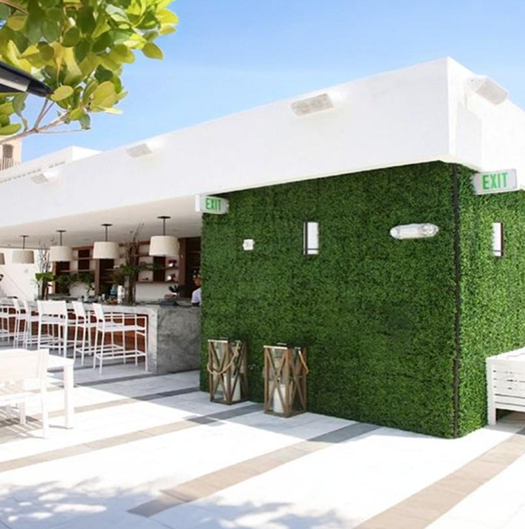
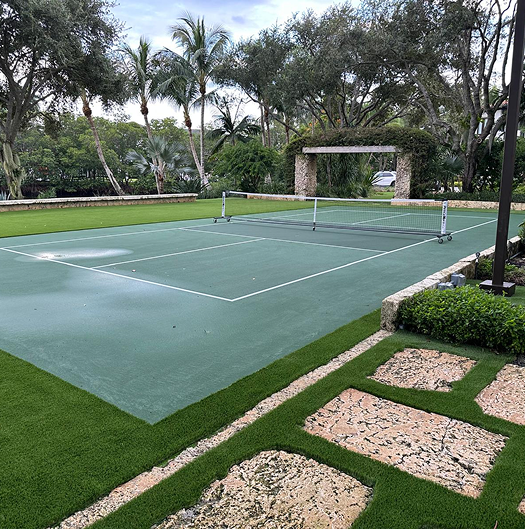
Mixing live plants with sustainable hardscape materials gives your landscape a natural flow. Combine artificial turf with wooden decks, recycled stone paths, or planters made from upcycled materials. This combination adds dimension and reduces the need for constant lawn maintenance.
Optimize Drainage and Irrigation
A well-planned irrigation system prevents water waste and maintains plant health. Consider installing drip irrigation or rainwater collection systems. Permeable surfaces such as eco gravel or pavers allow rainwater to filter naturally, preventing puddles and soil erosion.
Use Recycled or Local Materials
Whenever possible, source locally made or recycled landscaping materials. Reclaimed wood, composite decking, or reused stone not only reduce transport emissions but also add character and authenticity to your outdoor design. These small choices help create a green outdoor space that is as beautiful as it is responsible.

Conclusion
Transforming your yard into a into a nature-friendly oasis doesn’t require sacrificing comfort or beauty. By welcoming Eco-Friendly lawn Alternatives, such as fake grass, local greenery, or clever floor stuff, you can get a yard that stays bright through every season while saving water and power resources. Beyond aesthetics, these choices support biodiversity, reduce maintenance time, and help lower your home’s impact footprint on the world around us.
How will you start moving toward a less thirsty, more long-term outdoor space? Choosing environmentally friendly materials now is like putting money toward a cleaner, more enduring future time. Even tiny picks can shift things a lot for your place and the big blue marble.
Our Premium Turf


Get customer attention by clean visual and video
Make it easy to buy by eliminating stumbling blocks to purchase. Don’t assume customers know which item you’re talking about in your post. Provide a link directly to the product page or just link the product to your blog so they can buy if they want. If it relevant give readers more than one way to get to the product.
Related Posts