nov/1/2025
Knowing What is the Best Artificial Grass for Hot Climates

Finding the perfect lawn in places with intense sun and high temperatures can be challenging. Real grass struggles to stay green, often drying or burning under constant exposure. That’s why many homeowners in warm regions are turning to artificial turf, a durable, low-maintenance, and eco-friendly solution that stays beautiful year-round.
If you’ve ever wondered which is the best artificial grass for hot climates, this guide will help you understand what makes some synthetic turfs stand out from the rest.
Why This Is Important
Hot weather can take a serious toll on outdoor spaces. Natural grass quickly loses color and health under heat stress, requiring constant watering and care to survive. Meanwhile, cheap synthetic turf can overheat or fade when exposed to direct sunlight for long hours.
That’s why choosing high-quality, heat-resistant turf is essential. It not only keeps your outdoor space looking vibrant but also provides comfort, safety, and long-term value.

Understanding the Challenge
In hot climates, lawns face two main issues, heat absorption and UV damage. Sunlight doesn’t just warm up the surface; it can raise temperatures to the point where walking barefoot feels uncomfortable. Over time, poor-quality turf fibers can warp, melt, or fade.
The humidity and drainage also play major roles. When artificial turf isn’t designed for tropical or desert-like conditions, water retention can lead to unpleasant odors and bacteria buildup. That’s why not all synthetic lawns are the same. The best ones are engineered to resist heat, reflect sunlight, and allow airflow, keeping the surface cooler and safer.
What Makes it Ideal for Hot Climates
The secret to turf that thrives in warm weather lies in its materials and construction. Here’s what defines top performance:
Heat-Resistant Fibers
Made from advanced polyethylene or polypropylene blends that prevent melting and warping.

UV Protection
Built-in UV inhibitors shield the turf from fading and discoloration.

Efficient Drainage System
Allows rain and humidity to pass through easily, preventing mold or heat buildup.

Cool-Technology Infill
Some modern infills use cooling minerals that reduce surface temperature by up to 15°F.

Dense Thatch Layer
Creates natural cushioning and airflow, reducing trapped heat.

Together, these features make artificial grass not only beautiful but also comfortable and safe to use all year long.
Comparing Options
When selecting turf for hot climates, it’s useful to compare features side by side:
Feature
Standard Turf
Heat-Resistant Turf
Temperature Control
Temperature Control
Can get hot under direct sunlight
Uses cooling infill or reflective fibers
UV Protection
UV Protection
Moderate, may fade over time
Moderate, may fade
over time
Built-in UV blockers prevent discoloration
Durability
Durability
8–10 years average
15–20 years lifespan
Backyard Installation
Drainage
Basic perforation system
Advanced multi-layer drainage base
Comfort Level
Comfort Level
Can feel stiff in heat
Softer texture, cooler surface
Eco-Friendliness
Eco-Friendliness
Some recyclable materials
Recyclable, no irrigation or chemicals needed
Maintenance
Maintenance
Occasional brushing and rinsing
Minimal, stays fresh and clean with less effort
Think long term: Once installed, artificial turf can cut how much you spend on water and maintenance, potentially saving you up to 70% across 10 years.
Choosing the Right Turf for Your Region
Not every hot climate is the same. Desert areas like Arizona deal with dry heat, while coastal cities like Miami face humidity and salt exposure. That means choosing turf that’s specific to your environment is key. Here’s what to consider:
Sun Exposure:
Opt for UV-resistant turf if your yard gets constant sunlight.
Drainage Needs:
For humid climates, select turf with advanced perforation systems
Foot Traffic:
If you have kids or pets, choose a denser pile height and durable infill.
Aesthetic Look:
From natural green blends to soft beige undertones, match your local landscape.
The right combination ensures your lawn looks lush and feels cool, even in the hottest months.

Maintenance Tips for Hot Weather
Artificial turf iArtificial turf is famously low-maintenance, but a few habits will help it perform even better in hot climates:sn’t just decorative, it’s practical for various functional zones. With these simple steps, your turf can stay vibrant, clean, and comfortable year-round, no matter how high the temperature climbs.
1. Rinse Occasionally
Use water to remove dust and keep the surface cool.
2. Brush the Fibers
Keeps blades upright and prevents flattening from heat exposure.
3. Clean Regularly
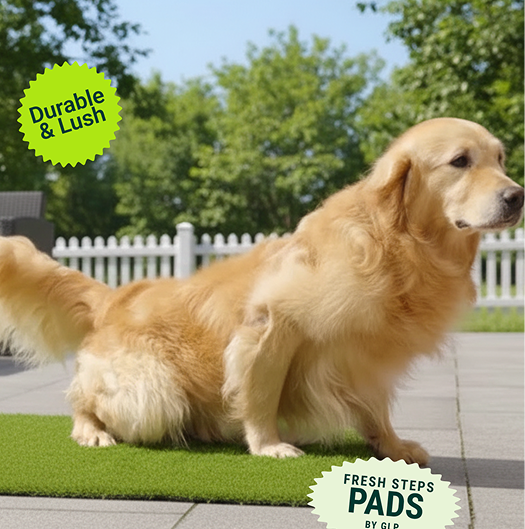
Especially if you have pets; rinse spots to avoid odor buildup.
4. Check Infill Levels
Maintain even distribution for optimal cooling and softness.
5. Avoid Heat Sources
Keep grills, fire pits, or reflective glass away to prevent melting.

Conclusion
In the end, the best artificial grass for hot climates is one that combines durability, UV protection, and cooling technology to deliver both comfort and performance. It’s not just about surviving the heat, it’s about creating a lush, green space that enhances your home and lifestyle.
So, are you set to change your yard into a cool spot that needs little work? Investing in the right artificial turf today means enjoying a cooler, greener tomorrow, no watering, no stress, and no fading under the sun.
Our Premium Turf


Get customer attention by clean visual and video
Make it easy to buy by eliminating stumbling blocks to purchase. Don’t assume customers know which item you’re talking about in your post. Provide a link directly to the product page or just link the product to your blog so they can buy if they want. If it relevant give readers more than one way to get to the product.
Related Posts