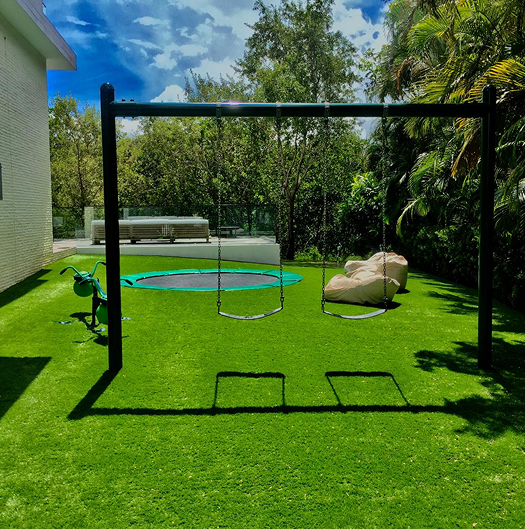
oct/22/2025
Artificial Turf vs Grass: What’s Best for You

Maintaining a perfect green lawn in places like Miami, where heat, humidity, and rain challenge natural grass, often leads homeowners to one question, is artificial turf really better than real grass? In this guide, we’ll break down the pros, cons, and long-term differences between the two, so you can decide which fits your home, lifestyle, and budget.
Why The Choice Matters
Your lawn is more than just a patch of green, it’s where your family plays, your pets run, and your home’s curb appeal begins. But keeping real grass healthy in South Florida’s intense sun and rainy seasons can mean endless mowing, watering, and fertilizing.
That’s why the artificial turf vs grass debate has become a growing topic among Miami homeowners who want year-round beauty with minimal effort. But is it really the better option? Let’s find out.

Learning the Basics
Before comparing, it’s worth understanding what each option brings to the table, how they look, feel, and perform over time.
Real Grass
Natural grass offers that unmistakable scent and cool texture under your feet. It grows and breathes, helping the soil stay alive. But it also demands time and resources, especially in tropical climates like South Florida, where constant moisture invites weeds, pests, and fungal issues.
Artificial Turf
Artificial turf is made of durable synthetic fibers designed to look and feel like real grass. Modern versions include UV protection, drainage layers, and infill that mimics soil cushioning. Once installed, turf requires minimal maintenance and stays green all year long, even during droughts or rainy seasons.

Knowing the Differences
Both options can create you a beautiful green space, they differ greatly in how they perform, feel, and last over time. Let’s break it down.
1. Appearance
Today’s artificial turf looks remarkably rea, designed with mixed shades, soft fibers, and natural thatch layers that mimic real grass. Natural grass, meanwhile, changes with the seasons and responds to weather, light, and care. When healthy, nothing beats its organic color and feel, but it demands more attention to stay that way.
2. Durability
Artificial turf stands up to heavy use, foot traffic, and weather without losing its form. It can last 15 years or more with minimal care. Real grass, on the other hand, can wear down quickly in high-traffic areas or during droughts, needing reseeding or patching to stay even.
3. Maintenance
This is where turf shines. Real grass requires weekly mowing, watering, fertilizing, and weeding. Artificial turf only needs occasional brushing and rinsing to stay clean. Over time, that difference saves countless hours, and a noticeable amount of money.

DIY or Call the Pros: What’s Best?
Feature
Artificial Turf
Real Grass
💲Initial Cost
Higher installation cost, but
one-time investment
Lower initial cost, but ongoing
maintenance expenses
🧹Maintenance
Occasional brushing and cleaning
Regular mowing, watering, fertilizing
🛡️Durability
15–20 years lifespan
Can wear unevenly, needs replanting
💧Water Use
No irrigation required
Requires frequent watering
🌎Environmental Impact
No pesticides or fertilizers; recyclable options available
Natural ecosystem, but uses more water and chemicals
🐾Pet & Kid Friendly
Easy to clean and soft surface
Natural vibe, can get muddy
🌿Appearance Year-Round
Always green and uniform
Seasonal growth and color changes
💲Initial Cost
Higher installation cost, but one-time investment
Lower initial cost, but ongoing maintenance expenses
🧹Maintenance
Occasional brushing
and cleaning
Regular mowing, watering, fertilizing
🛡️Durability
15–20 years lifespan
Can wear unevenly, needs replanting
💧Water Use
No irrigation required
Requires frequent watering
🌎Environmental Impact
No pesticides or fertilizers; recyclable options available
Natural ecosystem, but uses more water and chemicals
🐾Pet & Kid Friendly
Easy to clean and
soft surface
Natural vibe, can get muddy
🌿Appearance Year-Round
Always green and uniform
Seasonal growth and color changes
Comparing Costs Over Time
While turf installation may be more expensive to put in at the start, it usually pays for itself as time goes on. Let's take a look at the details.
Installation Costs
Natural grass is cheaper initially, roughly $1–$2 per square foot, compared to $6–$12 for turf (including materials and labor). However, real grass also needs soil prep, irrigation setup, and ongoing lawn care, which quickly add up.
Long-Term Maintenance
Artificial turf wins on this front. You don’t have to mow, water, or fertilize it, just occasional brushing and cleaning. Real grass, on the other hand, comes with monthly watering costs, fertilizer, pest control, and mowing services that can reach hundreds per year.
Lifespan and ROI
Turf usually lasts 15–20 years, depending on quality and upkeep. Real grass, while renewable, requires constant re-seeding or re-sodding to stay lush. Over a decade, turf can easily pay for itself through saved water and maintenance expenses.

Environmental Impact
This is where people often have different views,, both choices affect the earth in their own ways. Artificial turf has improved much bettin recent years. Newer products are made with recyclable materials and non-toxic infills, reducing landfill waste and heat absorption. It also eliminates pesticides and fertilizers, protecting groundwater from contamination.
Natural grass supports the wildlife and cools the air surrounding, but maintaining it requires consistent water and chemical input, to think about if you care about the environment.
Water Usage
Miami’s water restrictions and high utility rates make this a serious factor. Artificial turf saves up to 50,000 gallons of water per year for an average lawn. Real grass, while natural, needs frequent irrigation to stay green in the heat.
Chemicals and Fertilizers
Artificial turf doesn’t need herbicides or pesticides. Real grass often requires chemical treatments to fight weeds and pests, which can run off into local waterways.
Heat and Comfort
Turf can get warmer under direct sunlight, especially on summer afternoons. Real grass stays cooler but demands consistent watering to remain soft. Some modern turf products now include cooling infill that lowers surface temperature.

Long-Term Value Impacts
Several elements play a role in determining which option provides the most beneficial long-term results for your yard.
1. Installation Cost
Artificial turf has a higher starting costs, from base preparation to quality materials. However, it cuts out recurring costs for water, mowing, and fertilizers. It often breaks even or saves money over ten years.
2. Water Use and Saving
Maintaining natural grass in hot, humid regions like South Florida, means constant watering. Turf completely removes that need, making it ideal for eco-friendly homeowners who want to lower their water footprint.
3. Climate and Wear
Miami’s tropical weather can be haon real grass. Between heat, rain, and foot traffic, lawns often struggle to stay balanced. Turf drains quickly and resists UV fading, staying lush even after heavy storms or long summers.
4. Pets and Play Areas
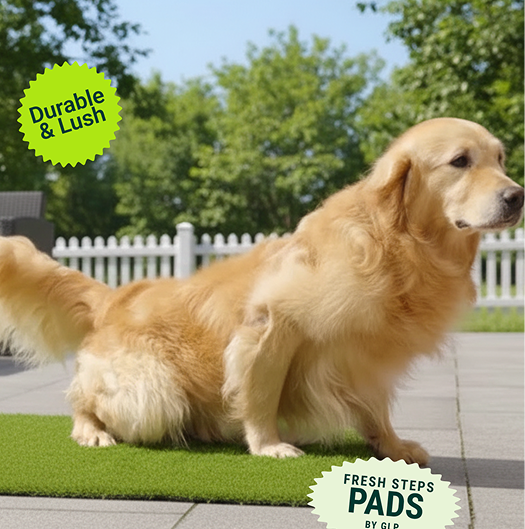
Families with kids or pets appreciate turf’s durability and easy cleanup. No mud, no pests, and no bare patches. Still, natural grass remains the favorite for those who love that soft, living feel underfoot.

Aesthetic and Lifestyle Elements
Both types of lawns can look gorgeous, the choice often relies on how you use your space.
Appearance and Texture
High-quality turf mimics real grass closely, but nothing beats the natural grass in scent and feel. Real grass gives subtle colors and feel changes, while turf provides uniform perfection daily.
Maintenance Time
Real grass is rewarding if you enjoy yard work. Artificial turf saves hours monthly if you want weekends free of mowing and trimming.
Pet and Kid Friendliness
Artificial turf is easy to clean, durable, and mud-free, perfect for pets and children. Real grass feels softer but can gets muddy or patchy after rain.

Durability and Weather Resistance
Miami’s tropical weather, strong sunlight, high humidity and salt air, tests any outdoor surfaces.
Real Grass Problems
High traffic or pet spots deteriorate very fast, needing reseeding. Humidity and flooding often cause root rot, weeds, and dead patches.
Artificial Turf Strength
Turf resists wear, UV damage, and flooding when installed with proper drainage. With a good infill helps it recover back after heavy rain or foot traffic, keeping it even and clean.

Longevity and Real-Life Experience
Artificial turf maintains its manicured, fresh look for two decades with minimal care. It doesn’t dry out, attract pests, or fade. Real grass, however, gives you the satisfaction of nurturing a living landscape, texture, scent, and change that come with nature’s rhythm. The best depends on what you value most: design consistency or growth authenticity.
Choosing What Fits Best
Preference
Real Grass
Artificial Turf
✋Feel
✋Feel
You love the natural touch
and smell of grass.
You want consistent color and softness year-round.
🧹Maintenance
🧹Maintenance
You enjoy gardening and
have time for lawn care.
You want less water use
and minimal upkeep.
💰Budget
💰Budget
You desire a lower starting price.
You need long-term durability and savings.
🌎Environment
🌎Environment
You like an organic growth
and can handle water use.
Seeking a greener alternative that's easier on the environment?

Conclusion
Whether you choose natural beauty or synthetic convenience, the key is finding what aligns with your lifestyle and local climate. Artificial turf offers long-lasting durability and minimal upkeep, while real grass delivers the authentic look, texture, and living ecosystem many homeowners still appreciate.
So, what kind of green are you ready to grow? one that needs your constant care, or one that gives your weekends back? In sunny, humid areas like Miami, turf often becomes the practical choice, yet the decision ultimately rests on what you value most: the living feel of nature or the effortless charm of modern design.
Our Premium Turf


Get customer attention by clean visual and video
Make it easy to buy by eliminating stumbling blocks to purchase. Don’t assume customers know which item you’re talking about in your post. Provide a link directly to the product page or just link the product to your blog so they can buy if they want. If it relevant give readers more than one way to get to the product.
Related Posts