nov/05/2025
Artificial Turf Types: Choosing the Right Synthetic Grass

In the constantly evolving landscaping industry, choosing the right artificial turf type has become a strategic decision that impacts both performance and long-term value. Understanding the main artificial turf types for homes, sports, and commercial use — along with their materials, durability, and design innovations, helps ensure that each project achieves the perfect balance between aesthetics and function.
Whether you're an installer, homeowner, or a landscaping expert, it's really important to know about the different kinds of artificial grass. This guide offers clear advice, innovative ideas, and practical steps to help you make smart, well-informed decisions that will last.
What Defines a “Type” of Artificial Turf?
When professionals refer to “Types of artificial turf”, they are not merely talking about colors or brands. The classification is based on the materials, construction methods, and functional purpose of each turf system. Every artificial turf type is the result of a balance between science, technology, and design.
Fiber Materials Explained
The base material defines the feel, durability, and performance of synthetic turf.
Polyethylene (PE)
Made from advanced polyethylene or polypropylene blends that prevent melting and warping.
Polypropylene (PP)
provides flexibility and affordability and is often used for decoration or in areas where not many people walk.
Nylon (PA)
known for its strength and ability to keep its shape, great for sports fields and putting greens where maintaining form is important.
Pile Height and Density
Fiber height and density determine how natural turf looks and performs. A fiber length of 1.5 inches is good for lawns, while shorter ones (under 1 inch) are better for areas like playgrounds and gyms. Tightly packed fibers make it last longer and look more full.
Backing & Drainage Systems:
A strong backing made of urethane or latex offers stability. Plus, drainage holes stop water from pooling and prevent mold, important for keeping it in good shape and hygienic.
Infill System
From silica sand to organic and coated infills, this layer influences temperature control, shock absorption, and even microbial resistance.
Artificial Turf Types for Homes
For residential applications, homeowners seek artificial turf that combines comfort, realism, and safety. The objective is to achieve a green, low-maintenance lawn that stays vibrant all year long without mowing, watering, or chemical treatments.Typically, home turf types can be divided into the following:
1. Standard Home-Lawn Turf
An excellent choice for those on a budget and suitable for typical foot traffic. These turfs usually feature medium pile heights (1.25–1.75 inches), polyethylene fibers, and a two-layer backing system. It offers an excellent balance between affordability and visual appeal, making it ideal for suburban lawns and backyard areas.

2. Premium Luxury Turf
Made for homeowners who want top realism, comfort, and lasting performance. These options use multi-tone fibers, triple-layer backings, and advanced UV protection to look like real grass in all types of light.The high density provides a soft, cushioned underfoot experience, ideal for homeowners seeking both elegance and durability.

3. Rooftop and Balcony Designs
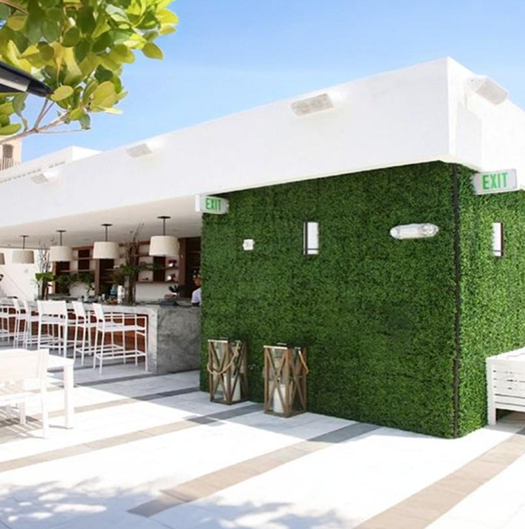
Bring comfort and color to urban living spaces by installing synthetic grass to your balconies or rooftops. It gives a natural touch to concrete surroundings and creates a relaxing zone for lounging or morning coffee. Pair with lightweight planters, outdoor rugs, and lounge chairs for a cozy, modern vibe.The turf helps insulate flooring, reduce glare, and create a natural feel, even several stories up.

For added function, you'll find some options crafted for unique situations:
1. Turf for Pets
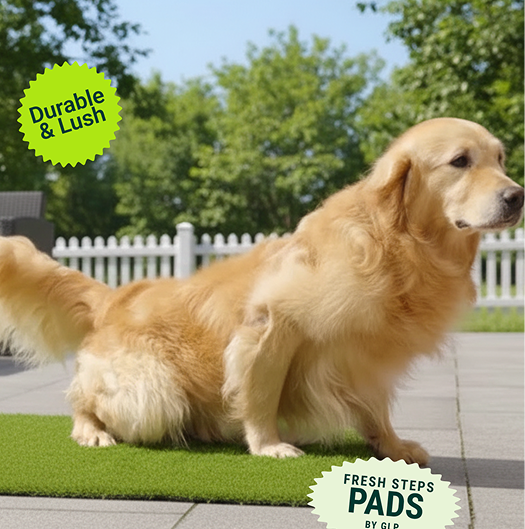
Pet-friendly turf systems are engineered for hygiene and convenience, featuring antimicrobial infill, odor-neutralizing layers, and extra drainage perforations to manage pet waste and prevent bacteria buildup.
2. Cool-Turf Technology
Integrates heat-reflective pigments and infill coatings that reduce surface temperature by up to 20°F.
3. Shade-Optimized Turf
Ideal for partially covered patios and north-facing lawns where natural light is limited.
These turfs for homes mix looks with how they work, staying great in all kinds of weather. They provide year-round comfort, reduce maintenance time, and offer a realistic, durable surface that keeps outdoor areas beautiful, functional, and enjoyable for families and pets alike.
Commercial and Heavy Use Turf
In commercial environments, turf performance and durability are non-negotiable. Artificial turf used in these spaces must meet strict standards for safety, traction, and long-term resilience.

Sports & Athletic Applications
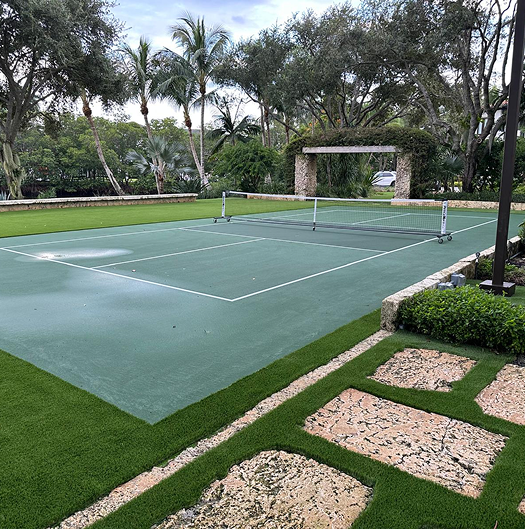
Sports-grade synthetic turf systems use shorter, denser fibers for traction and play consistency, with performance infills like EPDM rubber or thermoplastic elastomers (TPE). These materials improve traction, shock absorption, and ball roll accuracy.

Playground & Recreational Turf
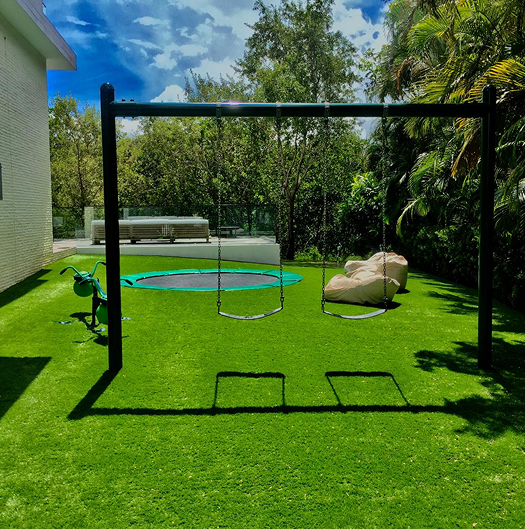
Playground turf prioritizes safety above all. It includes padded underlays to absorb impact and UV-resistant fibers to prevent fading. Good drainage and keeping cool are key in places where people need to be comfy and safe. The surface remains soft, reducing injury risk and ensuring long-term performance in community parks, schools, and recreational areas.

Turf for Offices and Stores
For commercial and office settings, artificial turf serves both aesthetic and functional purposes. It enhances brand image, improves property value, and aligns with sustainability goals by reducing water usage. This turf often resists fire and keeps its color, meeting rules and staying strong in public spaces.

Special Kinds of Artificial Turf
Not every project fits the residential or commercial mold. Certain projects demand specialized solutions that meet unique environmental or performance criteria.
Turf for pets
Pet turf is a rapidly growing market segment. These systems are designed with enhanced permeability (up to 400 inches/hour), odor-resistant infills, and heat-reducing fibers. Professional installers often pair them with deodorizing base layers and enzyme cleaners to keep surfaces hygienic.

Poolside & Patio Turf
Turf by pools must handle chlorine, salt water, and sun. Polyethylene fibers combined with non-slip backing create a safe, low-heat surface ideal for hospitality environments and luxury outdoor spaces.

Putting Greens & Golf Turf
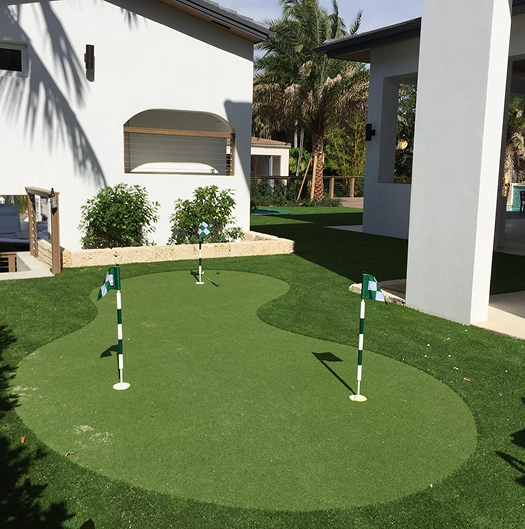
These turf types replicate professional golf conditions, utilizing nylon or hybrid fibers with ultra-short pile height (typically 0.4–0.6 inches). Multi-layer compaction bases allow customizable stimp speed and firmness, offering an authentic experience for golfers.

Indoor Applications
Indoor gyms, retail stores, and event venues increasingly use synthetic turf for visual and tactile appeal. Turf used indoors often includes foam underlays for cushioning and antistatic coatings for safety.

How to Choose the Right Artificial Turf
Selecting the right artificial turf type is a process that should require a structured, strategic approach:
1. Know your needs
Identify the application: backyard, sports field, pet area, or commercial façade.
2. Evaluate Usage Intensity
Estimate foot traffic, load, and environmental exposure.
3. Weigh Price Against Lifespan
Consider lifecycle costs, not just upfront price. Premium materials may reduce replacements over time.
4. Consider Water Flow and Upkeep
Certain turf types need professional installation with graded bases or specific infills.
5. Prioritize Professional Installation
Choose outdoor furniture in weather-resistant materials. Layer textures — think wicker chairs, throw pillows, and ceramic pots, to make the space more inviting.
The Future of Artificial Turf Innovation
The synthetic turf industry is changing fast. According to recent market data, the global artificial turf market was worth USD 8.3 billion in 2023 and should grow over 7% each year until 2030. Main trends for the future:
1. Eco-friendly Production
Manufacturers are investing in bio-based infills, recyclable polymers, and closed-loop production systems. Closed-loop recycling initiatives now allow turf systems to be reused at the end of life — aligning with ESG and LEED standards.
2. Cooling and Comfort Technologies
New colors that reflect heat and fillings that adjust to temperature are making users more comfortable. These innovations improve comfort and usability, particularly in regions like Texas, Arizona, and Southern California.
3. Smart Turf Systems
Emerging turf systems now incorporate IoT sensors for moisture, temperature, and usage tracking. This data-driven maintenance model extends product lifespan and enhances operational efficiency for large-scale facilities.
4. Design Flexibility
Architects are reimagining artificial turf as a flexible design medium. From rooftop terraces and vertical gardens to indoor courtyards, synthetic grass is redefining sustainable urban aesthetics and multifunctional green design. For turf businesses, staying ahead of these technological and environmental shifts is not optional, it’s a competitive necessity.
Conclusion
Each turf type serves a unique purpose. Understanding their differences helps you boost property value, minimize maintenance, and ensure long-term satisfaction. By considering factors like fiber composition, density, and application area, you can select a surface that balances realism, durability, and performance.
Have you identified which turf type aligns best with your space and needs? Making an informed decision today ensures a surface that performs beautifully and lasts for years to come.
Our Premium Turf


Get customer attention by clean visual and video
Make it easy to buy by eliminating stumbling blocks to purchase. Don’t assume customers know which item you’re talking about in your post. Provide a link directly to the product page or just link the product to your blog so they can buy if they want. If it relevant give readers more than one way to get to the product.
Related Posts