nov/10/2025
Keep a Perfect Lawnscape Always with Artificial Turf Cleaning

Keeping your artificial turf clean is important. It is not just about how it looks, it is about keeping the outdoor area safe, clean, and long-lasting outdoor surface. Regular cleaning stops bad smells, prevent germs from growing and also helps water from draining properly. Without it, these issues can make your turf wear out faster, this applies to a yard, a play space, or a spot for pets.
The Purpose for do Artificial Turf Cleaning
Artificial turf may require less maintenance than natural grass, but still, it needs a good care. This keeps its look good and it also preserve how it plays well for a long time.
Impact on lifespan and appearance:
A regular cleaning Routine removes dirt and grime that can wear down turf fibers. This buildup can damage the synthetic grass fibers, the cleaning keeps the true color and it also keeps the feel and springiness of the top layer. This holds true even following many years of bright sun and people walking on it.
Preventing odors, bacteria, and debris buildup:
Dust, pet waste, and organic debris can lead to unpleasant smells or bacteria growth if ignored. A regular rinse and light brushing prevent contamination, keeping your lawn safe and odor-free.
Maintaining drainage performance:
With a proper cleaning also supports your turf’s drainage system. Removing compacted debris ensures that rainwater or cleaning water flows easily, reducing puddles and preventing mold formation underneath.

Issues That Require Turf Cleaning
Even though artificial grass is low maintenance, it still requires some work. Knowing what creates dirt or harm lets you prevent issues early on, managing pet smells and waste before they spread:
Pet waste and odor control:
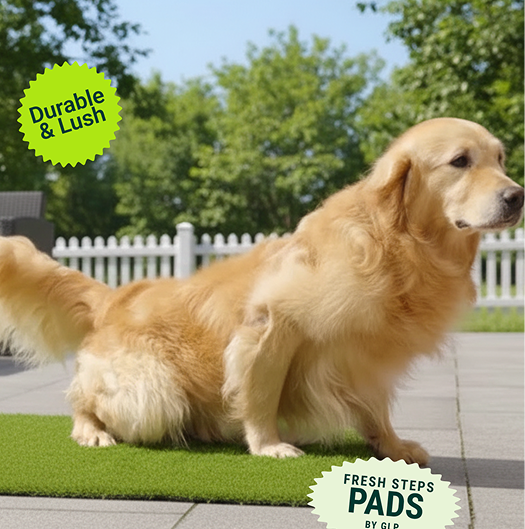
Homes with dogs or cats often face odor problems. Waste residue and ammonia buildup can cause smells and bacteria if not rinsed promptly. Using an enzyme-based cleaner designed for turf is the best way to eliminate pet odors safely.
Dust, pollen, and air pollution:
In dry or urban areas, dust and pollutants can settle on turf surfaces. Regular rinsing helps maintain the bright, clean look of artificial grass and keeps allergens under control.
Algae, moss, or mold in humid zones:
In shaded or humid environments, moisture retention can create conditions for algae or mold growth. Treating these areas with a gentle turf-safe disinfectant helps prevent slick or discolored patches.
Marks from drinks or activities outside:
Parties outside or kids playing can leave spots from drinks or sticky residues. A quick rinse with mild soap and water keeps the surface clean. This also stops any color change from happening.

Artificial Turf Cleaning Step-by-Step Guide
A proper cleaning doesn’t need to be complicated, It just needs to be steady. A regular routine keeps your turf looking vibrant and makes it last longer while preventing unwanted buildup. Here’s a simple breakdown of what to do, how often to do it, and the best ways to keep all of your artificial grass fresh and spotless.
Regular Cleaning Routine
Brushing and debris removal:
Use a stiff broom or turf brush to remove leaves, dust, and debris once or twice a week. Brushing helps lift the turf fibers and prevents matting from heavy use.
Rinsing with water:
Hose down your turf every one to two weeks, depending on weather and usage. This helps flush out fine dust particles and pet residues, maintaining a clean, cool surface.

Deep Cleaning and Disinfection
How to disinfect artificial grass safely:
Disinfection is key to preventing bacteria growth, especially in pet areas or high-traffic zones. Use a mild household disinfectant or a mix of white vinegar and water (1:1 ratio). Spray lightly and rinse thoroughly afterward. Avoid harsh chemicals like bleach that may damage fibers or backing.
When and how to use mild cleaning solutions:
For occasional deep cleaning, mix warm water with a small amount of turf-friendly soap or enzymatic cleaner. Use a soft brush to scrub affected areas gently, then rinse well. Doing this once every few months helps maintain hygiene without harming the turf material.

Dealing with Pet Areas
Removing odors:
Pet turf requires extra care. After picking up solid waste, rinse the area and apply an enzyme cleaner designed for artificial grass. This breaks down organic compounds that cause odor and bacteria.
Choosing the best artificial grass vacuum or tools:
If your lawn collects hair or fine debris, a light-power vacuum or blower works well for removal. Avoid heavy-duty vacuums, as they may damage the infill or fibers. Opt for a turf rake or brush specifically made for synthetic lawns.

Professional Artificial Turf Cleaning Services
Even with regular maintenance, professional cleaning can help rejuvenate older turf. Expert cleaners use specialized tools and solutions that go beyond what standard home care can achieve. This type of deep cleaning helps extend the turf’s lifespan and keeps it looking almost new, even after years of use.
When to hire a cleaning service:
Consider professional help once or twice a year, especially for large lawns, sports areas, or properties with pets; t’s also a good idea after heavy rain seasons or long dry spells. Professional services can also detect and fix drainage issues, refresh infill levels, and make sure your turf stays hygienic and ready for any activity.
Benefits of professional maintenance:
Specialized turf cleaning services use commercial equipment that deep-cleans and re-fluffs the grass fibers while removing embedded debris and sanitizing the infill. This process extends turf life and restores its original feel.
What to expect from a cleaning company:
Professional cleaners typically inspect drainage, repair seams if necessary, and apply safe disinfectants that neutralize odors without affecting pets or plants nearby.

Tips to Keep Your Artificial Turf for Long
A little prevention goes a long way. Adopting small daily habits keeps your turf fresh and clean year-round. Following these easy practices ensures your synthetic lawn stays vibrant and soft underfoot.
Regular brushing:
Keep fibers upright and free from dust buildup by tidying your grass once in a week or maybe two. Grab a broom with gentle or just okay stiffness to perk up spots that got squished from people walking. This regular fluffing also redistributes infill evenly, preventing compacted zones and helping the grass look naturally green and full.
Avoiding spills and stains:
Clean up food or drink spills immediately before they dry or attract insects. For things that get sticky, just give that spot a quick wash with gentle soap and water. Quick cleaning not only prevents discoloration but also protects the surface from bacteria and long-term residue buildup.
Choosing proper infill for hygiene:
Use non-absorbent, antimicrobial infill materials to reduce odors and bacteria. Silica sand or coated infill types help minimize moisture retention, improving drainage and keeping the surface cooler. Choosing the right infill ensures your turf remains sanitary and comfortable, especially in pet or high-traffic areas.
Protecting turf from heat or sharp objects:
Avoid placing grills, glass, or reflective surfaces directly on turf, as excessive heat can melt fibers. Use barriers, mats, or shaded spots for hot items, and remove any sharp objects promptly. These simple precautions prevent surface damage and help your turf last much longer.

Conclusion
Every time we clean, it helps keep your artificial turf looking good and working well. This keeps the turf green, safe, and without bad smells for many years ahead. We brush away dirt and trash. We also clean spots where pets go using mild liquids. Steady upkeep truly changes how your turf looks and feels down the road.
How often do you refresh your artificial turf to keep it looking new? Whether you clean weekly or seasonally, every bit of care extends your lawn’s lifespan and helps you enjoy a spotless, low-maintenance surface that looks as good as the day it was installed.
Our Premium Turf


Get customer attention by clean visual and video
Make it easy to buy by eliminating stumbling blocks to purchase. Don’t assume customers know which item you’re talking about in your post. Provide a link directly to the product page or just link the product to your blog so they can buy if they want. If it relevant give readers more than one way to get to the product.
Related Posts