nov/21/2025
Artificial Lawn Grass Cost Breakdown and Smart Budget Tips

Installing artificial grass is one of the smartest ways to upgrade your outdoor space, but understanding the real artificial lawn grass cost can get confusing fast. Prices vary widely depending on turf quality, installation complexity, infill, drainage preparation, and even the layout of your property.
This guide breaks everything down into simple, clear sections so you can plan your budget, avoid unnecessary charges, and choose the best turf for your needs without overspending. Let’s get into the real numbers, what affects them, and how to get the best possible value for your project in 2025.
Artificial Lawn Grass Cost in 2025
Average Price per Square Foot Installed
The typical artificial lawn grass cost ranges between $4.50 and $12 per sq ft installed. The variation depends on factors like turf quality, labor complexity, infill selection, and drainage requirements.
Quick Breakdown: Materials, Labor, and Base Costs
These ranges apply to most residential projects with standard soil and moderate labor needs. Here’s the simplest way to see where your money goes:
Turf materials:
$1.50 – $5.50 / sq ft
Installation labor:
$3 – $7 / sq ft
Infill + base materials:
$0.75 – $2.50 / sq ft
Total average:
$4.50 – $12 / sq ft installed
DIY Cost Range vs Professional Installation
DIY is cheaper but requires more work. Expect $2 – $6 / sq ft depending on turf quality and tools you already have.
DIY is best for:
● Small balconies
● Turf Slit Film Turf: Moderate
● Simple rectangular layouts
Professional installation is better when:
● The yard has slopes
● You need advanced drainage
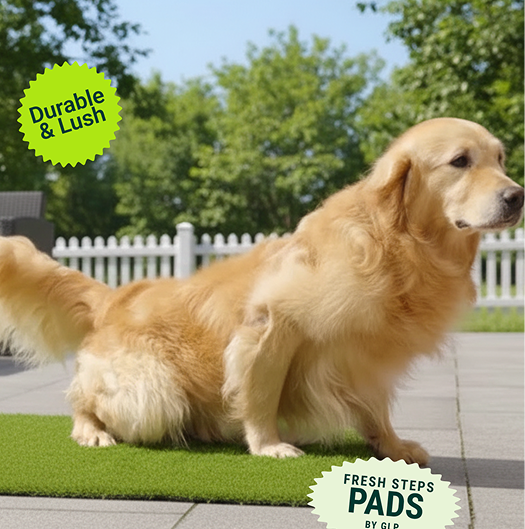
● You have pets
● You want long-term performance
Cost by Turf Quality Level
Artificial lawn grass cost is mainly shaped by turf quality, which includes factors like material density, blade softness, durability, and UV protection. Different turf types also influence pricing: landscape turf is generally the most affordable, pet-friendly turf is slightly higher due to enhanced drainage and antimicrobial features, and sports or playground turf sits at the top because of reinforced fibers and shock-absorbing layers.
Choosing the right quality tier helps balance performance and budget. Economy turf works for decorative or low-use areas, mid-range options provide the best value for most homes, and premium turf is ideal for high-traffic or luxury applications. Matching the turf quality to your actual needs prevents overpaying while still delivering durability and a realistic appearance.

Entry-Level Turf: When It Makes Sense
$1.50 – $3.50 per sq ft (materials)
Good for:
● Temporary installs
● Low-traffic decorative areas
● Simple rectangular layouts
Not ideal for:
● Pets
● Heavy use
● Playgrounds
Mid-Range Turf: Best Value for Most Homes
$3.50 – $5.50 per sq ft (materials) This is the sweet spot for most homeowners. You get. Perfect for family yards, light play areas, and normal usage.
You get:
● Realistic color blends ● UV protection ● Better density ● Stronger backing

Premium Turf: High-Density & Long-Term Performance
$5.50 – $8+ per sq ft (materials)
You’re paying for:
● Maximum softness ● Multi-tone realism ● High drainage rates ● Extra durability
Ideal for:
● Luxury landscaping ● Heavy traffic ● High-end commercial areas

Installation Cost Breakdown
Professional Installation Fees
Labor typically represents one of the largest portions of artificial lawn grass cost. Professional installers handle excavation, leveling, compacting, base installation, turf laying, seam bonding, and final grooming. Prices vary based on regional labor rates, project scale, and installation complexity. Areas with curves, slopes, or many edges require more precise work and therefore higher labor costs. Skilled installation ensures long-term stability and optimal drainage, which directly impacts the lifespan of your new lawn.
$1 – $3 per sq ft This includes:
● Removing old grass ● Leveling the ground ● Soil treatment ● Weed barrier installation ● Compaction

Ground Preparation and Sub-Base Materials
Proper ground preparation is essential for a long-lasting artificial lawn. Costs here include removing existing grass, debris disposal, leveling, and adding the compacted sub-base. A high-quality base typically uses crushed rock or decomposed granite, which prevents uneven surfaces and ensures excellent drainage. The depth of the base depends on soil conditions and expected usage. Although this stage requires an investment, it’s one of the most important factors affecting durability and overall performance.
$0.75 – $2 per sq ft The base usually includes:
● Crushed rock ● Decomposed granite ● Sand layer
Additional Elements That Increase Cost (Edging, Infill, Drainage, Etc.)
Certain features can increase the final price depending on the project’s requirements. Edging materials help keep turf securely in place, especially along walkways or flower beds. Infill, such as silica sand or pet-friendly options, adds weight and blade stability. Drainage systems may be needed for areas with heavy rain or poor soil conditions. Optional upgrades like shock pads, weed barriers, or decorative borders can enhance the final result but naturally add to the total budget.
$1 – $3 per sq ft This covers:
● Cutting around curves and borders ● Seam tape and adhesive ● Soil treatment ● Power brushing ● Final conditioning
Note: Complex layouts = higher labor.

Artificial Lawn Cost by Application Type
Residential Yards
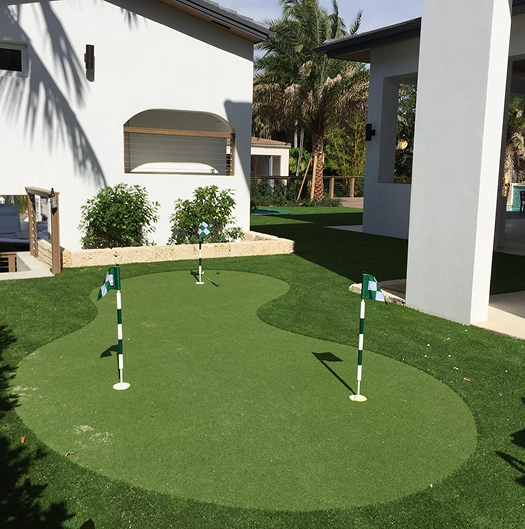
Residential installations often vary based on yard size, outdoor features, and terrain. Smaller spaces tend to have a higher cost per square foot because fixed expenses — such as delivery and minimum labor charges — remain constant. Larger yards benefit from economies of scale. Homeowners seeking child-safe or pet-friendly upgrades may invest in specialized infills or more durable turf, influencing the final price.

Commercial Landscapes
Commercial projects usually involve larger surface areas, which reduces cost per square foot but increases the overall project budget. Businesses prioritize durability and visual impact, choosing turf that withstands heavy foot traffic. Additional considerations include accessibility, safety regulations, and long-term maintenance savings. Landscaping contractors often propose stronger backing systems and high-density fibers that support higher usage levels.

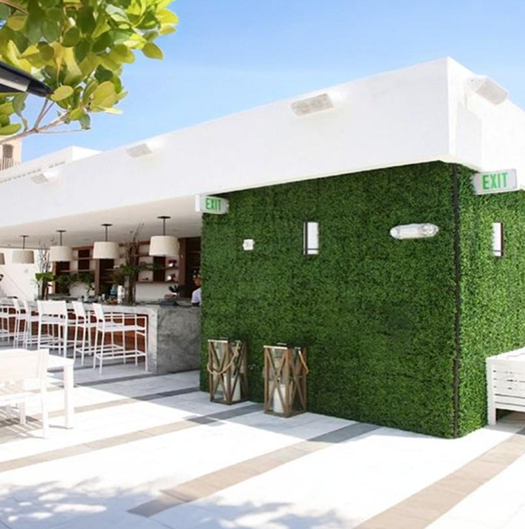
Rooftops, Balconies, and Small-Space Installs
Rooftops and balconies frequently require specialized installation methods. Turf must be lightweight, permeable, and compatible with drainage mats or raised surfaces. Because these projects usually involve small or irregular spaces, they require more cutting and trimming, increasing labor intensity. Despite higher installation complexity, the final transformation often delivers a dramatic improvement to urban and compact living spaces.

Long-Term Savings and Hidden Costs
Water, Lawn Care, and Maintenance Savings
Artificial grass significantly lowers costs over time. Natural lawns require regular mowing, watering, fertilizing, weed control, and pest management, all of which add recurring costs. Artificial turf eliminates nearly all of these tasks. The primary upkeep involves occasional brushing, rinsing, and infill top-ups. Over the years, these savings can offset a considerable portion of the initial investment.
Artificial grass eliminates:
● Mowing ● Watering ● Fertilizers ● Weed control ● Pest treatments
Durability and Replacement Considerations
High-quality turf can last 12–20 years depending on climate, usage, and installation quality. While artificial grass does not require major ongoing costs, it may eventually need fiber refreshing, seam repairs, or infill replenishment. Knowing these small but real costs stops later shocks. Cheaper grass might need to be swapped out sooner. This makes saving money at first less helpful down the road.
High-quality turf lasts:
● 12–20 years depending on use ● UV-resistant fibers prevent fading ● Proper infill extends lifespan
ROI for Residential and Commercial Properties
Beyond financial savings, artificial turf reduces water consumption dramatically. This is true in dry places where rules limit watering, getting rid of yard tools also lowers the power used. Perhaps most importantly, homeowners gain valuable time otherwise spent on lawn care. These advantages contribute to the long-term return on investment that natural grass simply can’t match.
Artificial turf adds:
● Year-round green appearance ● Curb appeal ● Low-maintenance landscaping ● Increased property value
Tips to Reduce Total Cost
When to Choose DIY vs Professional Installation
Doing it yourself can save money for small, easy spots. These areas must be simple to reach. They also need little cutting or shaping. This cuts down on paying workers. However, you need the right tools. Care is also needed. You must know how to build the base layer correctly. Bigger jobs or hard setups usually need experts. Bad steps during setup cause water to pool. You might see ugly lines where pieces meet. The surface might break down too fast. This ends up costing more money over time.
works for:
● Tiny yards ● Balconies ● Areas under 200 sq ft.
Choosing Materials Wisely
You don’t need the most expensive turf to get a top-quality appearance. Picking a middle-price item works well. It should have good thickness and true color mixes. Good sun blocking is also key. This choice gives great results for less money. For infill, silica sand is often sufficient unless pets or heavy usage require specialized options. This holds true unless pets or much walking demand special types. Think hard about what extras are truly needed for your planned use. Pass on the ones that will not add real worth over time.
To save money:
● Choose mid-range turf for best value ● Use silica sand unless pets require specialty infill ● Avoid unnecessary upgrades like shock pads unless needed
Avoiding Common Mistakes That Increase Total Cost
Many errors in money planning come from not thinking things through first. Common issues include choosing turf solely based on price, skipping proper base preparation, underestimating drainage needs, or ignoring maintenance guidelines. Avoiding these pitfalls not only reduces total cost but also extends the life of your turf. You should always look at all price offers. Make sure the way things get put in is correct. Also, check that the things used fit the job you planned.
Always Skip:
● Poor base compaction ● Cheap adhesives ● Loose edges ● Improper drainage ● Skipping weed barrier

Conclusion
Understanding artificial lawn grass cost is the key to planning a smart, long-lasting project. Breaking the investment into materials, labor, application type, and optional features helps you compare quotes more effectively and avoid unnecessary fees.
With the right turf selection and installation strategy, you can reduce expenses, extend the lifespan of your lawn, and maximize your return on investment, so which of these budget tips do you think will make the biggest impact on your own artificial lawn project? Having a clear cost plan ensures you choose the perfect grass for your needs without going over budget.
Our Premium Turf


Get customer attention by clean visual and video
Make it easy to buy by eliminating stumbling blocks to purchase. Don’t assume customers know which item you’re talking about in your post. Provide a link directly to the product page or just link the product to your blog so they can buy if they want. If it relevant give readers more than one way to get to the product.
Related Posts